 Deutsch
 Français
 Italiano
 Nederlands
 Spanish

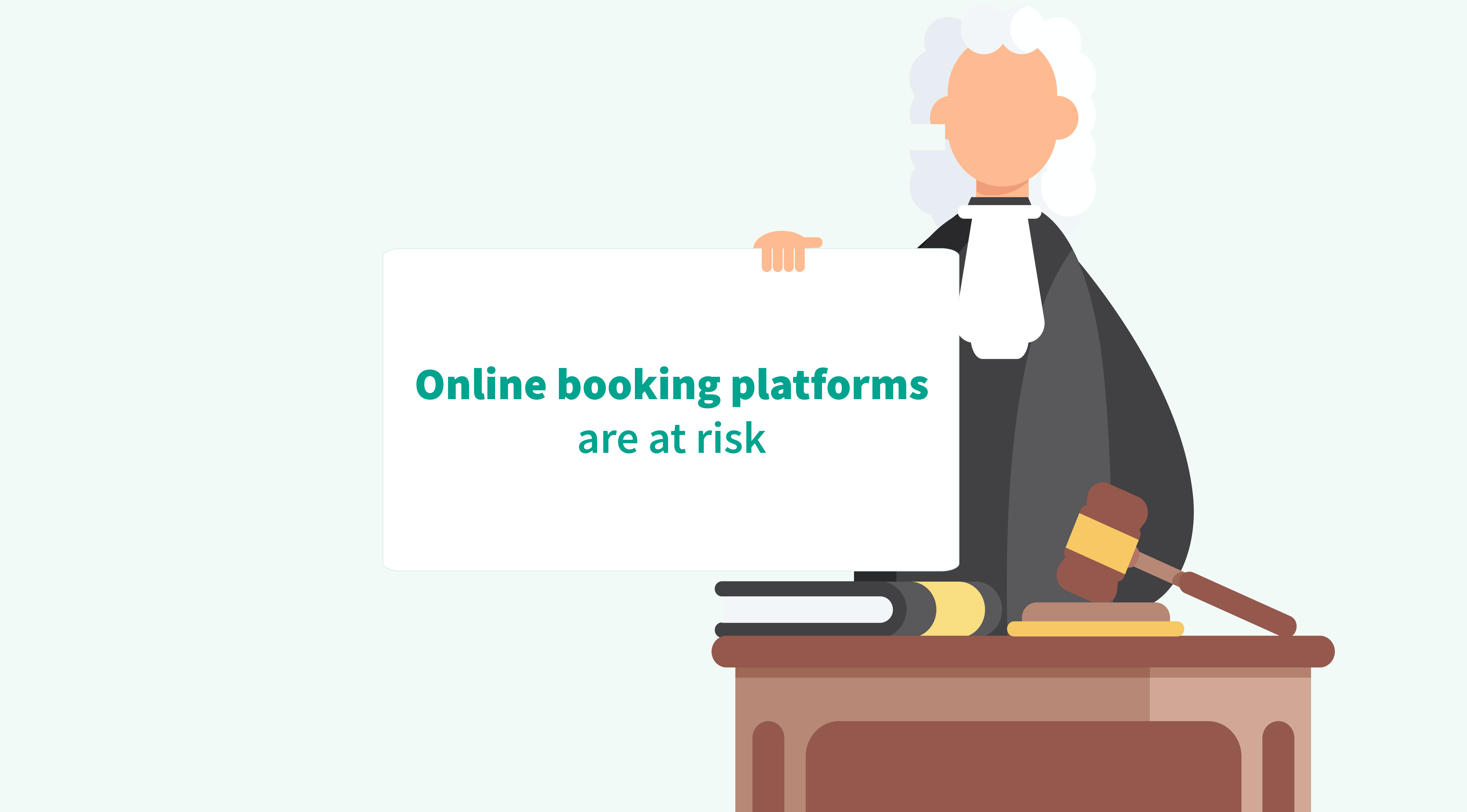
Risking €2,500 fines per booking: why most booking platforms operating in France are at risk
Many booking platforms in France face heavy fines without realising it. Some still believe tourist tax rules only affect big names like Airbnb, Booking.com or Expedia. That is wrong. Since 2019, any platform that handles payments for short-term stays in France must collect, file and pay the tourist tax for hosts. The law applies to every platform, regardless of size or booking volume.
Fines can reach €2,500 per booking. Enforcement is growing, with tools like the Faritas national filing system making it easier to spot platforms that are not compliant.
The law is clear
Article 45 of the Rectificative Finance Law for 2017 and Article L2333-33 of the Code Général des Collectivités Territoriales require platforms that process payments for non-professional hosts to act as tax collectors. This means charging the correct amount, filing declarations with each municipality and paying on time.
French law is explicit on this point. Article L2333-33 of the CGCT states:
Professionals who, by electronic means, enable the reservation or rental of accommodations and act as payment intermediaries for non-professional lessors must collect the tourist tax from guests.
Smaller platforms are next
So far, public fines have mainly targeted large OTAs, as discussed in our previous article. But French law allows penalties of up to €2,500 per stay, with minimum fines of €750. Airbnb’s €8.64 million fine in Île d’Oléron shows enforcement is real. Faritas now gives municipalities the data to see who is following the rules and who is not. Some have already called out smaller platforms for failing to comply.
Why compliance is harder than it looks
France has over 24,500 municipalities. Each sets its own rates within national limits. Rates can vary by accommodation type, classification, season, and may include surcharges or exemptions. Filing is complex, with declarations due twice a year to every municipality where bookings took place. We recently spoke to a regional platform that tried to manage this manually. They spent most of their time on tax calculations, preparing documents and checking filings while trying to keep up with constant changes. Even with effort, the work was unsustainable.
Better to be ready than to react
With Faritas in place, it is a matter of when smaller platforms face checks, not if. Building an in-house compliance process is possible, but most teams do not have the capacity to keep up with rate changes, exemptions and filing rules across thousands of municipalities.
This is why many platforms, from niche operators to large OTAs, work with Trippz. Our API-based service calculates the correct tax, files with each municipality and ensures payments are made on time. It removes the daily burden from your team so you can focus on running your platform. In our next article, we highlight one of these cases: VillaSud.
If you are unsure about your current compliance, we can start with a simple conversation.