
 Deutsch
 Français
 Italiano
 Nederlands
 Spanish
Tourist tax in Luxembourg A complete guide
Luxembourg is a gem for travelers seeking heritage and charm. This tax guide provides essential information on tourist tax, including rates, who pays, compliance, and easy management.

Why does Luxembourg charge a tourist tax?
Luxembourg’s castles, hiking trails and business-friendly capital draw more than three million overnight stays a year, yet visitors also add strain on municipal services, heritage upkeep and local housing.
Even where no tourist tax applies, every host must record traveller data and transmit it electronically to the Statec-run “Lux Héberge” system (new law of 28 Feb 2025, effective 1 Sep 2025). The platform replaces paper accommodation forms and feeds statistics and security databases.
Tourist tax by city in Luxembourg
Want to know the rules regarding tourist tax per municipality in Luxembourg? Trippz collects all data about tourist tax. Below is an overview of the specific tourist tax rules of various municipalities in Luxembourg:

Is the municipality you are looking for not listed? Let us know, and we'll send you more information.
For tourists
Who pays the tourist tax in Luxembourg?
In Luxembourg, the tourist tax is paid by the guest. It applies in communes that levy a taxe de séjour, like Mamer or Vianden, on overnight stays in hotels, guesthouses and short-term rentals. Children are rarely exempt unless local rules say otherwise.
There is no national tourist tax law in Luxembourg. Each commune decides whether to impose a levy and sets the rate. Usually the host adds the charge to the bill, collects it, and pays it to the commune. Some booking platforms collect it automatically, but not everywhere

-
When do you pay the tourist tax?
In most cases, the tourist tax in Luxembourg is paid when you check out from your accommodation. Some booking platforms include the tax in the total price and collect it during the reservation process.
The exact timing depends on how and where you book. Hosts are responsible for ensuring the tourist tax is collected and reported correctly, whether it is paid in person or online.
How is the tourist tax calculated in Luxembourg?
The tourist tax in Luxembourg is calculated differently in each commune. Rates depend on factors like the type of accommodation, the location, and the number of nights.
For example, in Mamer, guests staying in upscale hotels pay more than those in basic lodgings due to the percentage-based rate. In Vianden, the tax is a flat fee per person per night and may cap after a certain duration. Some communes offer exemptions for children or specific traveller categories.
Frequently asked questions from tourists
-
Is the tourist tax included in my booking?
It depends on how and where you book. Some platforms, like Airbnb, include the tourist tax in the total price in certain communes. Others don’t, so you’ll need to pay it directly to the host when you arrive. Always check the details before completing your booking.
-
Do children pay tourist tax in Luxembourg?
In most communes, children are not automatically exempt, but there are exceptions. Some areas may apply lower rates or waivers for minors. If you’re traveling with children, it’s worth checking the local rules to know what to expect.
-
Do I pay the same amount everywhere in Luxembourg?
No. Each commune sets its own rules. The tax can vary depending on the location, type of accommodation, and calculation method. For example, rates in Mamer and Vianden differ in structure and amount.
-
Can I get a refund if I leave early?
Refunds are rare, especially if the tax was charged upfront. Some hosts may offer flexibility, but it depends on local policies and how the payment was handled. If you're unsure, ask the host or reception when you check in.
-
Why do I have to pay a tourist tax?
Tourist taxes help cover the cost of tourism in busy areas. The money goes to public services, environmental projects, and cultural preservation. It’s a way for destinations to keep tourism sustainable over the long term.
For hosts
Renting out in Luxembourg: a lot to consider
Renting out a holiday home in Luxembourg comes with more rules than many hosts expect. From guest registration through the Lux Héberge system to tourist tax collection and local rental permits, there is a lot to keep track of. The exact requirements differ from one commune to another.
Some booking platforms help with parts of the process, but most of the responsibility remains with the host. In the next sections, we explain what you need to know to stay compliant, avoid fines, and manage your rental with confidence.

-
Rental licensing in Luxembourg
Before renting out a property to tourists in Luxembourg, obtaining a business permit is mandatory if your rental activity exceeds a certain threshold. This permit ensures that the property and operator meet local standards and are legally registered for short-term stays. Key requirements:
- National regulations
Luxembourg sets rules through the law on the right of establishment. If rental activity exceeds 90 overnight stays per year, operators must hold a business permit and complete an accelerated training course on food hygiene, safety rules, human rights, and protection of minors, as outlined in the regulations effective since 1 September 2023. - Municipal registration
Properties must be declared to the local commune, and zoning laws must be observed. Failure to register can result in penalties or legal action. - National reference Number
In the future, hosts renting out properties on platforms like Airbnb will receive a unique reference number from the Ministry. This number must be declared and included in listings, allowing authorities to track bookings across platforms. - Documentation
Operators must provide proof of compliance with public health requirements and, for rentals over 90 nights, evidence of completed training. Social security contributions and taxes must also be up to date for the manager or company.
Failure to comply with licensing rules can lead to fines or restrictions on booking platforms. Before accepting guests, ensure your property and operations are properly registered and approved under local and national rules.
- National regulations
Guest registration in Luxembourg
All hosts in Luxembourg are required to register their guests through the Lux Héberge system, the national platform for guest reporting. This applies to all types of tourist accommodation, including holiday rentals, hotels, and campsites.
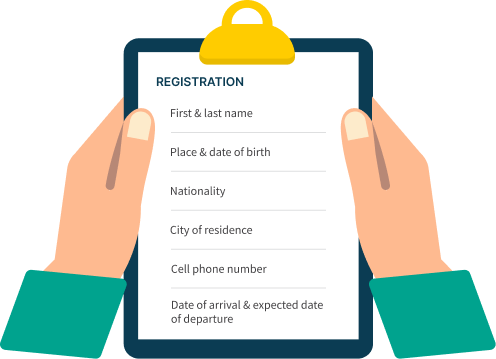
For each guest, you must collect and submit the following information by the day after arrival at the latest:
- Full name
- First name(s)
- Date of birth
- Place of birth
- Nationality
- Identity document number (ID card or passport)
- Postcode, city, and country of residence
- Date of arrival
- Presumed date of departure
- Purpose of stay
- Total number of accompanying persons
This obligation is set out in the Law of 28 February 2025, effective from 1 September 2025. Those who register late or incompletely risk penalties as determined by the authorities.
Storage of guest data
Submitting guest data to the Lux Héberge system is not the only requirement. Hosts must also keep a local record of the submitted information for a period as defined by law after the end of each stay.
This obligation is part of the Law of 28 February 2025, effective from 1 September 2025, and applies to all accommodation providers in Luxembourg. The stored data must match what was submitted and should be made available to the authorities if requested during that period.
Handling of tourist tax in Luxembourg
-
Collecting tourist tax
In Luxembourg, hosts are required to collect tourist tax from their guests. The amount depends on the commune, the type of accommodation, the number of nights, and sometimes specific exemptions. Rates may also differ based on local regulations.
You must inform your guests about the tax, apply the correct rate, and ensure it is collected properly. This can happen online during booking or at check-out, depending on how your property is listed. -
Remitting tourist tax
Each commune in Luxembourg decides how and when the tourist tax must be reported and paid to the authorities. In some places, this is done quarterly. In others, it follows a local or annual schedule.
As the host, you are responsible for submitting the payment. This applies even when you have already collected the tax from the guest. If deadlines are missed or amounts are incorrect, local authorities may impose fines. -
Tourist tax when using booking platforms
Some booking platforms such as Airbnb collect tourist tax on your behalf in specific communes in Luxembourg. This can be helpful, but it is not available everywhere and it is not always easy to confirm what has been paid.
If you also accept direct bookings, or if your platform does not handle tourist tax in your area, then you still need to take care of the collection and remittance yourself. Trippz shows you what has already been handled and what still needs attention.
-
Automate tourist tax collection with Trippz
Trippz knows the correct tourist tax rate for every commune in Luxembourg. Whether it depends on accommodation type, location, or number of nights, the right rate is always applied. This removes guesswork and ensures full compliance from the start.
At check-out, the tourist tax is collected automatically through our app. You no longer need to calculate amounts manually or explain the fee to your guests. Trippz gives you a clear overview for every booking, so you always know what has been charged and what still needs to be remitted. You save time, avoid errors, and stay in control. Even when managing multiple properties.

Frequently asked questions from hosts
-
Can I list my property on Airbnb without a business permit in Luxembourg?
No. If your rental activity exceeds 90 overnight stays per year, you must obtain a business permit to legally list your property on platforms like Airbnb or Booking.com. Listings without a valid permit may face penalties or removal by the platform or local authorities.
-
Is the tourist tax income taxable in Luxembourg?
Tourist tax is not considered part of your income and should not be included when calculating your rental revenue. You are collecting the tax on behalf of the authorities. However, you should keep records of what was charged and remitted in case of an audit.
-
Do I need a rental license to host guests in Luxembourg?
Yes. If you rent for more than 90 overnight stays per year, you need to register your property and obtain a business permit. In some cases, local zoning laws or co-ownership regulations may also apply.
-
What happens if I forget to register a guest with Lux Héberge?
Guest registration is required by law. If you miss the deadline or enter incomplete information, you may face penalties. Trippz helps you stay compliant by submitting the registration automatically at check-in.
-
Do I still have to collect tourist tax if Airbnb says they handle it?
Not always. Airbnb collects and pays tourist tax in certain communes, but not everywhere in Luxembourg. As the host, you are still responsible for ensuring the tax is handled correctly, even if a platform helps
-
How often do I need to pay the tourist tax to the authorities?
This depends on the commune. Some require quarterly declarations, others follow different local schedules. Trippz keeps track of deadlines and shows you what still needs to be paid.
-
Do I need to keep records for tourist tax and guest registration?
Yes. You must keep guest data for the period defined by law, even after submitting it through Lux Héberge. For tourist tax, you should also keep records of what was collected and when it was paid, in case authorities request it
Trippz: the authority on tourist tax
Tourist tax is set locally and rates change without warning. Trippz tracks every change and keeps the data current, which is why travel platforms and property software, including Airbnb, Booking.com and Expedia, rely on Trippz to calculate tourist tax and register guests in every market they serve.
How Trippz stays current
Trippz checks tax rules jurisdiction by jurisdiction against official municipal and national sources. When a rate or rule changes, the update happens automatically rather than on a periodic review cycle. This is the same monitoring that travel platforms and software vendors depend on to stay accurate everywhere they operate.

One tax engine, every market
Send a location, get the applicable rate, instantly and correctly calculated. Travel platforms and property software embed this calculation directly into their own product, so every booking is taxed correctly without building or maintaining a rate engine in house. It is the same logic behind every rate on this page.

Frequently asked questions about the use of Trippz
-
How can platforms and software vendors use Trippz?
Trippz provides tourist tax content and a ready made calculation engine through one API. Platforms and software vendors add accurate tax calculation to their product without maintaining a rate database in house. Guest registration and authority connections are available as a separate capability for those who need it.
-
How does Trippz keep tourist tax rates current?
Trippz checks the jurisdictions it covers against official sources and updates rates automatically when a city or country changes them.
-
Which countries and cities does Trippz cover?
Trippz maintains tourist tax data across a wide range of countries and cities. See the full overview in our tourist tax guides.
-
Is Trippz's data and infrastructure secure?
Yes. Trippz is SOC1 Type 2 and SOC2 Type 2 certified and GDPR compliant, so platforms and software vendors can embed tourist tax calculation without adding security or compliance risk of their own.
-
Who uses Trippz for tourist tax?
Trippz provides tourist tax data and calculation to travel platforms and property software across Europe, including Airbnb, Booking.com and Expedia. The same infrastructure that powers stays booked through the biggest platforms in travel is available to any platform or software vendor through the API.
municipality