
 Deutsch
 Français
 Italiano
 Nederlands
 Spanish
Tourist tax in New Zealand A complete guide
Welcome to your comprehensive guide on navigating tourist tax in New Zealand. Whether you’re visiting or hosting, we break down everything you need to know clearly and simply so you can focus on amazing experiences, not paperwork.

Is there a tourist tax in New Zealand?
Yes, New Zealand has a tourist tax called the International Visitor Conservation and Tourism Levy (IVL). This levy is charged to most international visitors entering New Zealand, with the goal of supporting local tourism infrastructure and conserving the natural environment. As of October 2024, the IVL is set at NZ$100, and it is paid by travelers when applying for their New Zealand Electronic Travel Authority (NZeTA) or visa. Certain travelers are exempt, such as New Zealand and Australian citizens, most Pacific Islanders, and some specific visa categories.

What is the GST rate in New Zealand?
These are the current applicable tax rates in New Zealand in 2026. To keep the information simple and clear, we present below the main Tourist Tax rate for the high season and for adults. No separate high-season rate is specified, so the available non-zero rate is used. In New Zealand, the rate is calculated as a percentage of the total booking for entrepreneurially operated accommodations, rather than per person per night; the 0 rate applies where the accommodation is not entrepreneurially operated. For comparison we use the main 15% rate. These rates apply to the most common accommodation types, making it easy to compare them with other countries or cities. If you have specific questions or would like more detailed information, please contact us.
| Accommodation type | New Zealand |
|---|---|
| 3 star hotel | 15% |
| 3 star short-term rental | 15% |
| Bed & Breakfast | 15% |
| 3 star camp site | 15% |
Last updated: 24 Aug 2026
Is tourist tax being considered in Auckland?
Not anymore. T the proposed Auckland bed night levy will not go ahead. Auckland Council had been pushing for a 2.5% to 3% levy on short-stay accommodation since 2025 to help fund events and destination marketing, and public consultation showed majority support among Aucklanders. Implementing it required new central government legislation, and in August 2026 the National-led government ruled out introducing any accommodation levy, citing concerns about added costs for New Zealanders travelling domestically.
This reverses an earlier commitment in the Auckland Regional Deal to explore the levy in 2027, and Mayor Wayne Brown has publicly criticized the decision. Instead, National plans to redirect funding from the existing International Visitor Levy to councils, based on visitor volume. For now, no bed night charge applies in Auckland, and none is planned under current government policy.
For tourists
Why is there a tourist tax in New Zealand?
The purpose of New Zealand’s tourist tax is to ensure that visitors contribute directly to the costs associated with the tourism experiences and public resources they use. As tourism has grown, there has been increasing pressure on public facilities, natural sites, and infrastructure. The tax funds both high-quality tourism services and conservation projects, helping manage tourism sustainably and reducing the burden on local communities and taxpayers.

What is the rate of the tourist tax in New Zealand?
In New Zealand, international visitors are generally required to pay the International Visitor Conservation and Tourism Levy (IVL) when travelling to the country. No matter where you’re from, if you’re staying overnight for leisure or business and need either an NZeTA or relevant visa, the IVL applies to you (with a few exemptions for citizens of Australia, most Pacific Islands, and a handful of special categories).
The IVL is a flat fee of NZ$100, paid once per trip.
Frequently asked questions from tourists
-
Do I have to pay a tourist tax when staying in New Zealand?
If you’re an international visitor needing a New Zealand Electronic Travel Authority (NZeTA) or visitor visa, yes! The International Visitor Conservation and Tourism Levy (IVL) applies to most travelers, but there are some exemptions (for example, Australians, certain Pacific nations, and New Zealand citizens don’t pay).
-
How much is the tourist tax in New Zealand?
It’s a flat NZ$100 fee, simple and transparent. Paid once per trip, during your entry application process.
-
Do children have to pay the tourist tax in New Zealand?
Yes, the IVL applies to each person included in the NZeTA or visa application, including children, unless they are exempt.
-
Is the tourist tax included in the price of my accommodation?
No. The IVL is paid up front when you apply for your entry authorisation. It’s not linked to where you stay, how long, or which property, no hidden extras at check-in.
-
What is the tourist tax used for in New Zealand?
Your NZ$100 helps keep New Zealand beautiful! Funds go directly to conservation projects and visitor infrastructure, ensuring a greener, more welcoming country for everyone.
For hosts
Guest registration in New Zealand
Guest registration in New Zealand doesn’t follow a single nationwide law, but requirements can vary by region, type of accommodation, and booking platform. For most short-term rental hosts, especially those welcoming international guests, recording guest details (such as passport information) is common practice, particularly to help meet visa and International Visitor Levy (IVL)compliance. There’s no central national registry for guest addresses, but hosts may be required by local council rules, government policies, or platform terms to keep accurate guest records, supporting both transparency and secure, responsible hosting. With Trippz, compliance gets a whole lot simpler. No headaches, just streamlined guest management.
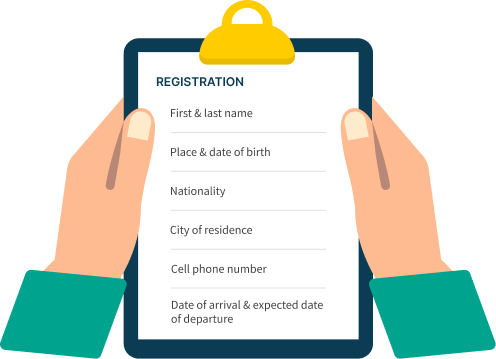
Guest registration details in New Zealand
When guest registration or data collection is required in New Zealand for short stays (28 days or less), hosts typically gather the following details from all guests, whether local or international:
- Full name
- Contact information (such as phone number or email)
- Dates of arrival and departure
Depending on local council rules or booking platform policies (like Airbnb), additional ID details (such as passport or visa information) may also be needed for security and compliance, especially for international guests. Always confirm with your local council or platform for the specific requirements in your area.
At Trippz, we keep things clear and easy, so you’re always confident you’re collecting just what’s needed. No more, no less.
Submission of the guest registration to the police in New Zealand
Unlike some countries with centralized guest-reporting rules (like Italy or Spain), New Zealand does not require hosts to routinely submit guest details to police or law enforcement. Typically, guest information is collected for visa, International Visitor Levy (IVL) compliance, or as part of booking platform requirements, not for direct police reporting.
If any submission is ever needed, it’s almost always managed through the booking system or reported under specific local council rules. Timelines and procedures may differ by region, so Trippz recommends staying up to date with local authorities and your booking platform to ensure smooth, compliant hosting, free of surprises and penalties.
Storing guest registration in New Zealand
There’s no strict nationwide rule for how long you must keep guest information in New Zealand, but hosts should follow the Privacy Act 2020 and align with good data protection practices. As a guideline, securely store guest records like registration details for as long as necessary to meet booking platform, tax, or local compliance needs (often up to 2 years is considered reasonable).
Make sure you use secure storage solutions: think encrypted digital files or protected systems, with access limited to only those who need it. When guest data is no longer required, delete it safely and thoroughly. At Trippz, we make compliance simple, clear, and privacy-focused, so you can run your business with confidence and keep your guests’ trust.
Don’t want to worry about remitting the correct amount of tourist tax? That’s possible, with the use of Trippz!
-
Automate tourist tax collection with Trippz
Trippz knows the correct tourist tax rate for every region. Whether it depends on accommodation type, season, or guest age, the right rate is always applied. This removes guesswork and ensures full compliance from the start.
At check-in, the tourist tax is collected automatically through our app. You no longer need to calculate amounts manually or explain the fee to your guests. Trippz gives you a clear overview for every booking, so you always know what has been charged and what still needs to be remitted. You save time, avoid errors, and stay in control. Even when managing multiple properties.

-
Short-term rental registration requirements
In New Zealand, there is no nationwide registration system for short-term rentals, but rules can vary by local council or region. Some councils may require hosts to notify, register, or obtain consent when offering accommodation for short stays, especially in popular tourist destinations. Hosts should always check with their local council and booking platforms (like Airbnb or Booking.com) for any specific requirements. Complying with local rules helps ensure you meet both tax and safety standards. Non-compliance could lead to fines or restrictions on your listing.
-
IVL and GST in New Zealand
The IVL is New Zealand’s national tourist levy, set at NZ$100 and paid by most international visitors when they apply for their visa or NZeTA. This one-off fee is handled directly by the government and funds vital conservation and tourism infrastructure projects throughout the country. As a host, you don’t collect or remit the IVL, your guests pay it before they arrive, so it’s one less admin step for you.
GST in New Zealand is 15% and applies to all short-term accommodation. If you’re not GST-registered, platforms like Airbnb will automatically collect and remit GST and you’ll get a flat-rate credit. If you are GST-registered, you handle GST claims through your own returns. No matter what, GST is built into the booking price to keep things simple and compliant for guests, hosts, and platforms, just the way Trippz likes it!

Frequently asked questions from hosts
-
Do I need to register my short-term rental property in New Zealand?
There’s no nationwide requirement, but some local councils may require you to register or seek consent for short-term rentals. Always check with your council and booking platform.
-
What information do I need to collect from guests?
Collect each guest’s full name, contact details, and dates of stay. Additional details may be needed for local rules or platform policies, especially for international guests.
-
Are there any differences for New Zealand and foreign guests?
No major differences. All guests provide their basic details, but international visitors pay the IVL (International Visitor Levy) when entering New Zealand, not to you as host.
-
How long do I need to store guest records?
Store guest and booking details securely for up to 2 years, or longer if needed for local council, tax, or platform requirements. Always protect guest privacy.
-
What are the penalties if I don’t register my short-term rental?
If your council requires registration and you skip it, you could face fines or have your listing restricted. Check your local rules and stay compliant with Trippz, compliance made easy.
Trippz: the authority on tourist tax
Tourist tax is set locally and rates change without warning. Trippz tracks every change and keeps the data current, which is why travel platforms and property software, including Airbnb, Booking.com and Expedia, rely on Trippz to calculate tourist tax and register guests in every market they serve.
How Trippz stays current
Trippz checks tax rules jurisdiction by jurisdiction against official municipal and national sources. When a rate or rule changes, the update happens automatically rather than on a periodic review cycle. This is the same monitoring that travel platforms and software vendors depend on to stay accurate everywhere they operate.

One tax engine, every market
Send a location, get the applicable rate, instantly and correctly calculated. Travel platforms and property software embed this calculation directly into their own product, so every booking is taxed correctly without building or maintaining a rate engine in house. It is the same logic behind every rate on this page.

Frequently asked questions about Trippz
-
How can platforms and software vendors use Trippz?
Trippz provides tourist tax content and a ready made calculation engine through one API. Platforms and software vendors add accurate tax calculation to their product without maintaining a rate database in house. Guest registration and authority connections are available as a separate capability for those who need it.
-
How does Trippz keep tourist tax rates current?
Trippz checks the jurisdictions it covers against official sources and updates rates automatically when a city or country changes them.
-
Which countries and cities does Trippz cover?
Trippz maintains tourist tax data across a wide range of countries and cities. See the full overview in our tourist tax guides.
-
Is Trippz's data and infrastructure secure?
Yes. Trippz is SOC1 Type 2 and SOC2 Type 2 certified and GDPR compliant, so platforms and software vendors can embed tourist tax calculation without adding security or compliance risk of their own.
-
Who uses Trippz for tourist tax?
Trippz provides tourist tax data and calculation to travel platforms and property software across Europe, including Airbnb, Booking.com and Expedia. The same infrastructure that powers stays booked through the biggest platforms in travel is available to any platform or software vendor through the API.
municipality