Deutsch
 Français
 Italiano
 Nederlands
 Spanish


How a booking platform embeds tourist tax through one API
A booking platform embeds tourist tax by registering its properties once with the LocationTax API, then sending booking data per reservation and receiving the calculated tax back. The tax logic, the rate database, and the maintenance behind both sit on the Trippz side. Your platform sends a request and displays a number.
What does embedding the LocationTax API actually look like?
The LocationTax API is the ready made engine. Trippz does the calculation, and property data is stored and managed on Trippz servers, so your own database never needs a rate table, a rate history, or a list of municipal exceptions to keep current.
There is no separate integration per country, no per municipality mapping table on your side, and no second data model for markets where the tax works differently. Every jurisdiction Trippz covers runs through the same contract, which is what keeps the integration a single piece of work rather than a permanent internal project.
Why is tourist tax rate logic the hard part to get right?
Tourist tax is set locally. A national government rarely decides it. Municipalities do, each on their own schedule, each with their own base. Some charge a percentage of the room rate, some a flat amount per person per night, some vary the amount by season, by star rating, or by accommodation type. Exemptions differ too: children under a certain age, business travellers, stays beyond a maximum number of nights.
Rates also change without warning and without a central announcement feed. A municipal council votes to raise a rate, and nobody sends your product team an email. Monitoring that across a portfolio of markets is a full time job for someone, permanently. Trippz monitors every jurisdiction it covers and pushes rate updates through automatically as they are published, so catching the next municipal change is not a job your platform has to staff.
Where do the API calls sit in your booking flow?
The integration has three moving parts, and only one of them runs on every booking.
Property registration happens once per property, not once per request. You send in your properties, each one gets mapped to the correct tax jurisdiction, and the applicable rates are resolved before a guest ever searches.
The per-booking call is the one that runs constantly. You pass the booking data and get back a full tax quote covering every applicable tourist tax, within milliseconds, since the rates were already resolved at registration.
A webhook covers what happens in between. When a municipality changes a rate that touches one of your registered properties, you are notified directly, so the rate behind your price never quietly drifts out of date.
Storing the returned quote on the reservation gives you a defensible record of what was calculated, when, and against which rule. That record is what you fall back on when a host or an authority asks how a specific amount came about.
What does your engineering team stop maintaining?
Building tourist tax calculation internally means building three things and keeping all three alive: a rate database, a calculation engine that handles every local base and exemption, and a monitoring process that catches municipal changes before your guests are charged the wrong amount. The first two are a bounded engineering project. The third never ends, and it is the one that quietly breaks.
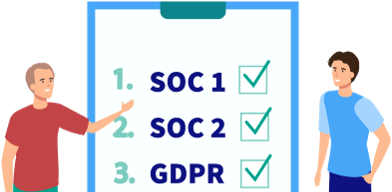
Embedding through the LocationTax API removes all three from your roadmap. Every calculation runs against verified, up to date local rules, and correctness becomes a supplier obligation rather than a standing item in your sprint planning. Trippz is SOC1 Type 2 and SOC2 Type 2 certified and GDPR compliant.
What do you need in place before you go live?
Before integrating the LocationTax API, you need a location identifier per property that is accurate enough to resolve to the right municipality, a place in your booking record to store the returned tax amount, and a decision on where in the guest flow the tax is displayed. That is the full list of prerequisites on your side.
Onboarding starts with one form and no commitment. You indicate your use case and property count, eligible accounts are reviewed for sandbox access, and a commercial proposal follows a call before production credentials are issued. Pricing runs per connected property, so it scales with your portfolio rather than with your booking volume.
For a closer look at how a tax engine like this works end to end, see what is a tourist tax API.
Whether you run a booking platform, a PMS, or a channel manager, the decision is the same: keep maintaining tourist tax logic yourself, or let LocationTax take it off your hands. Trippz for Platforms.